
Blog
New Bathroom Renovation: A Practical Guide to Avoiding Rework

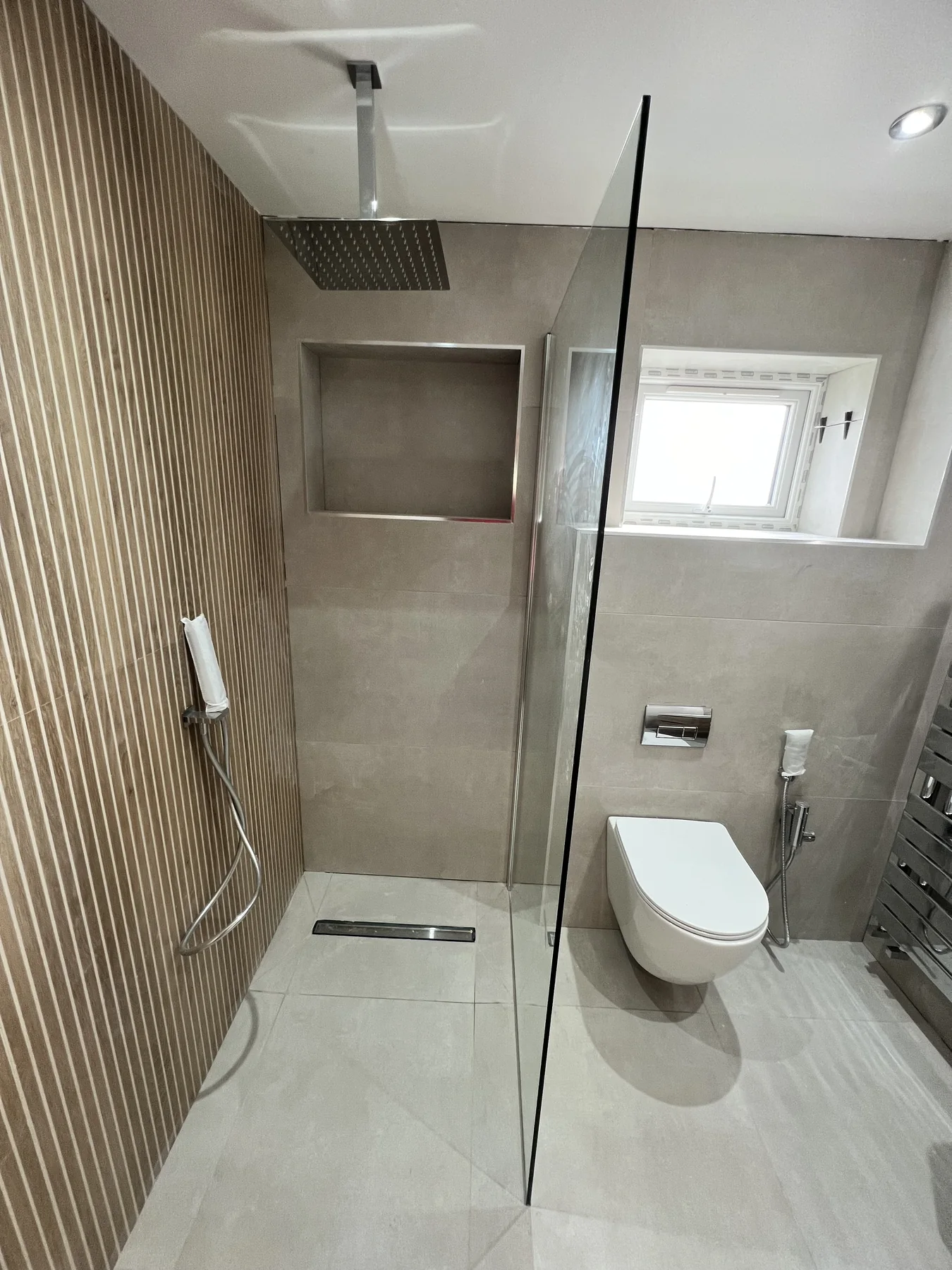
For New Bathroom Renovation, the useful question is how to avoid rework when a new bathroom renovation changes layout, products and preparation together. The sections below concentrate on the survey, quotation and project decisions that support that outcome without adding unrelated services or padding the article for length.
AGUK’s main local focus is Leeds, with service coverage that includes Leeds and other approved areas. The property itself still determines access, preparation, product compatibility and the final scope of bathroom renovation work.
The practical decision behind Bathroom renovation project
The working question for this page is the homeowner needs to avoid rework when a planned renovation changes layout, products and preparation together. Write the desired outcome first, then identify the room facts that could change it. That approach makes differences in price easier to trace to scope, specification or site condition rather than to vague wording.
Resolve measured room data before dependent work
As part of the quotation review, record site-survey evidence before the quotation is accepted. For this part of a bathroom renovation, room dimensions, access and visible service positions belong in the same planning conversation with the aim that later choices can be checked against evidence. Because the reader is trying to avoid rework when a renovation work changes layout, products and preparation together, the practical action is to record them before products are fixed. If the point is delayed until site work, the programme can depend on an assumption. To keep the comparison fair, name who confirms any open point. That keeps the planning relevant to this article while the homeowner works towards the aim to avoid rework when a bathroom renovation project changes layout, products and preparation together.
Plan the boundary of a limited refit around the property
During the product selection, test project depth before the programme is fixed. For this part of a bathroom renovation, the elements being retained and the work around them need to be confirmed in context to make sure old and new work can meet without hidden gaps in responsibility. Because the reader is trying to avoid rework when a planned renovation changes layout, products and preparation together, the useful next step is to check whether keeping an item creates awkward making good. If nobody records the decision, a later product choice can create rework. Before moving on, keep a photograph or measurement with the decision. That helps separate this page from nearby search intents while the homeowner works towards the aim to avoid rework when a renovation work changes layout, products and preparation together.
Use the survey to confirm background preparation
At the strip-out planning, document background preparation with the next trade in mind. For this part of a bathroom renovation, wall condition, floor level and local repairs should be treated as connected information so that genuine site discoveries can be separated from omitted work. Because the reader is trying to avoid rework when a bathroom renovation project changes layout, products and preparation together, the quotation should allow the homeowner to name the expected preparation in the scope. If the quotation treats this as obvious, a genuine variation becomes harder to judge. A sensible check is to match the note to the room survey. That turns the advice into something that can be used on site while the homeowner works towards the aim to avoid rework when a planned renovation changes layout, products and preparation together.
Compare quotations on existing service routes
When the project reaches the handover review, compare existing service routes against the measured room. For this part of a bathroom renovation, the WC waste, shower drainage and electrical points need a written check because concealed service work is treated as a known risk rather than a surprise. Because the reader is trying to avoid rework when a renovation work changes layout, products and preparation together, the survey should give enough evidence to record any route that still needs confirmation after strip-out. If the assumption is never tested, two contractors may be pricing different scopes. As a final check for this section, compare the same assumption across quotations. That reduces the temptation to use generic filler while the homeowner works towards the aim to avoid rework when a bathroom renovation project changes layout, products and preparation together.
Compare quotations on product specification
For the installation planning, confirm product allowances against the written scope. For this part of a bathroom renovation, dimensions, technical requirements and realistic allowance values should be reviewed together which means delivery and fitting decisions are not based on vague budgets. Because the reader is trying to avoid rework when a planned renovation changes layout, products and preparation together, the project notes should make it possible to match allowances to the finish the homeowner actually expects. If the answer is left implicit, the homeowner may make a decision using incomplete information. One useful control is to state when a hidden condition will be verified. That supports the specific homeowner decision in this title while the homeowner works towards the aim to avoid rework when a renovation work changes layout, products and preparation together.
Use the survey to confirm the order of work
Before leaving the installation planning, separate installation dependencies alongside the selected products. For this part of a bathroom renovation, deliveries, first-fix work, waterproofing and final installation belong in the same planning conversation therefore one delay does not quietly push every following task. Because the reader is trying to avoid rework when a bathroom renovation project changes layout, products and preparation together, the practical action is to book trades around what must be ready first. If this remains vague, the next trade may inherit an unresolved problem. For evidence, link the answer to the following trade. That gives the quotation a clearer reference point while the homeowner works towards the aim to avoid rework when a planned renovation changes layout, products and preparation together.
Pre-start checks for this article
- Scope boundary written down before dependent work is booked.
- Retained items checked for condition before dependent work is booked.
- Preparation assumptions recorded and match it to the room survey.
- Layout changes linked to services so it supports the goal to avoid rework when a renovation work changes layout, products and preparation together.
- Allowances match the intended finish and keep the evidence with the quotation.
- Snagging and aftercare defined before comparing the final total.
Local service areas
This article is written for homeowners around Leeds, Garforth, Wakefield and Adel. Local relevance does not replace a site assessment, so the room survey remains the basis of any AGUK quotation. See Areas We Cover for broader coverage.
Related AGUK pages
Use the service overview for delivery scope, AGUK project evidence for finished work and a project enquiry when the room is ready for a site-specific discussion. Those links are chosen to support the next decision rather than to create a chain of near-duplicate keyword pages.
Independent reference
For independent background, see Citizens Advice guidance on arranging home-improvement work. That source can explain general responsibilities, but the measured room and agreed specification still control the AGUK quotation.
Request a quotation
To discuss bathroom renovation project as a real bathroom renovation project, send AGUK the postcode, a concise brief of what needs to change and clear photographs of the existing room. That gives the team a property-specific starting point for the conversation.